Interior vs. Exterior Painting: What’s the Difference and Why It Matters
Painting is one of the most transformative ways to enhance both the appearance and longevity of a property. Whether it’s refreshing an interior space or protecting the exterior of a building, the right approach to painting can make a significant difference. Despite its widespread use, many property owners underestimate the nuances between interior and exterior painting, often assuming that a single type of paint or technique can serve both purposes. Understanding these differences is essential for achieving a professional finish, maximizing durability, and safeguarding your investment.

Interior and exterior painting are not just about aesthetics—they involve distinct materials, preparation methods, and long-term maintenance considerations. Interior painting focuses on enhancing living spaces with finishes that are safe, low-odor, and visually appealing, while exterior painting must withstand harsh weather, UV exposure, and environmental stressors. For homeowners, property managers, and painting professionals, recognizing the distinctions between these two approaches ensures the right products, tools, and techniques are applied in the correct context. This knowledge not only improves the quality of the finished project but also prevents costly mistakes, making it a critical component of any painting or home improvement plan.
1. Understanding the Core Differences Between Interior and Exterior Paints
Composition and Formulation
The primary difference between interior and exterior paints lies in their composition. Interior paints are formulated to provide a smooth, aesthetically pleasing finish suitable for indoor environments. They focus on low odor, ease of cleaning, and minimal volatile organic compounds (VOCs) to maintain healthy indoor air quality. On the other hand, exterior paints contain additives that increase resistance to UV rays, moisture, mildew, and temperature fluctuations. These extra components allow exterior paint to maintain color vibrancy and structural integrity despite prolonged exposure to sunlight, rain, and wind.
Durability Requirements
Exterior surfaces face constant exposure to the elements, making durability a key consideration. Exterior paints are engineered to expand and contract with siding materials, preventing cracking or peeling over time. In contrast, interior paints are designed for less extreme conditions, focusing more on abrasion resistance and cleanability rather than weatherproofing. Selecting the appropriate paint for its environment ensures that walls, trim, and surfaces retain their appearance and function for years, reducing the need for frequent repainting.
Real-World Example
Imagine painting a living room with an exterior-grade paint. While it may hold up well physically, it could emit strong odors, resist proper absorption, or leave a rough finish unsuitable for indoor use. Conversely, applying interior paint on a sun-exposed exterior wall would likely result in fading, peeling, and moisture damage within a few months. These examples highlight why understanding the intended application is crucial for a successful painting project.
2. Surface Preparation: A Critical Step for Success
Interior Surface Prep
Proper preparation is the foundation of any painting project. Interior surfaces require cleaning, sanding, and priming, depending on the material. Walls may need to be patched for holes or cracks, and a primer may be necessary to ensure uniform color coverage, particularly when painting over darker tones. Using high-quality brushes, rollers, or sprayers ensures even coverage and minimizes streaking or texture issues.
Exterior Surface Prep
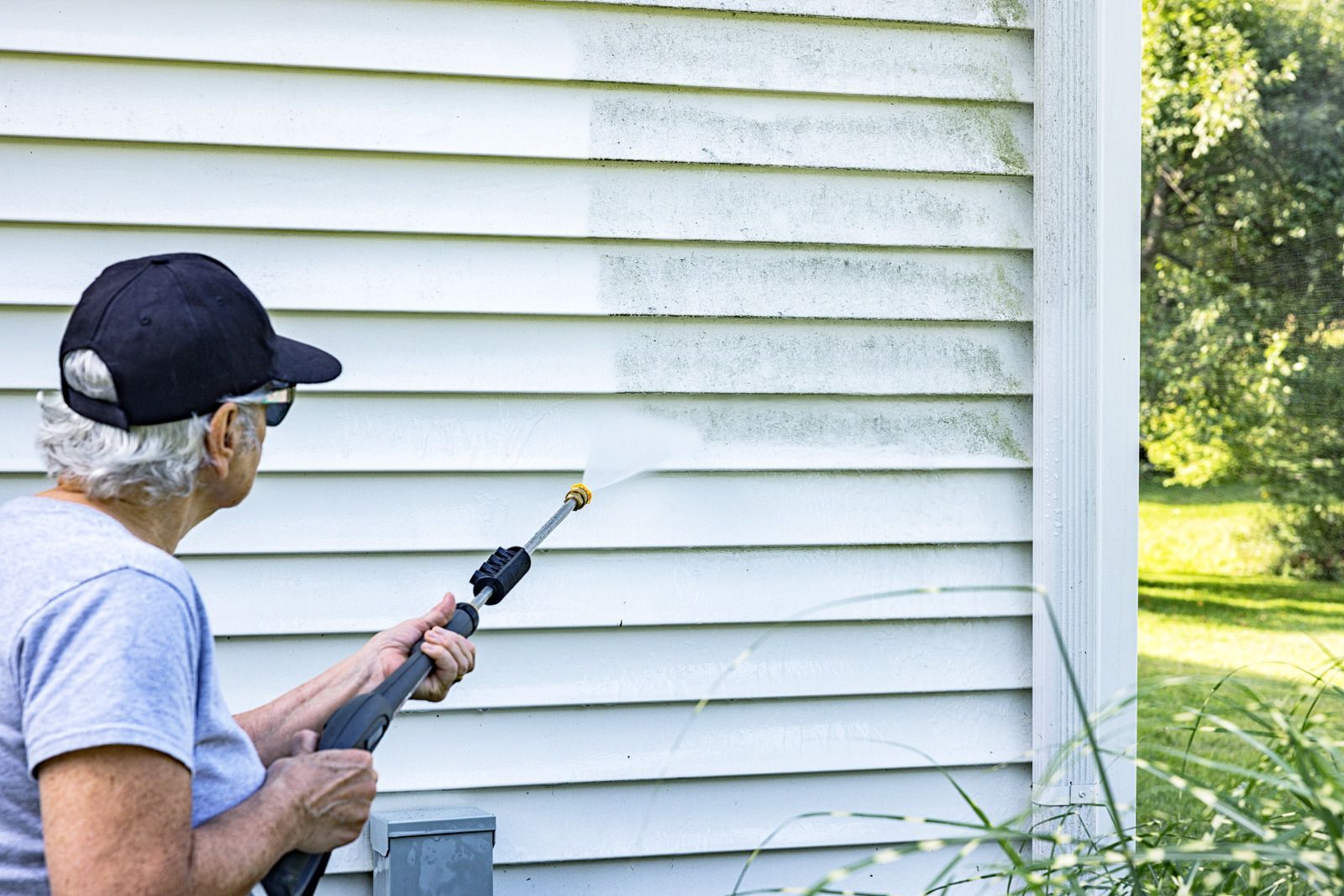
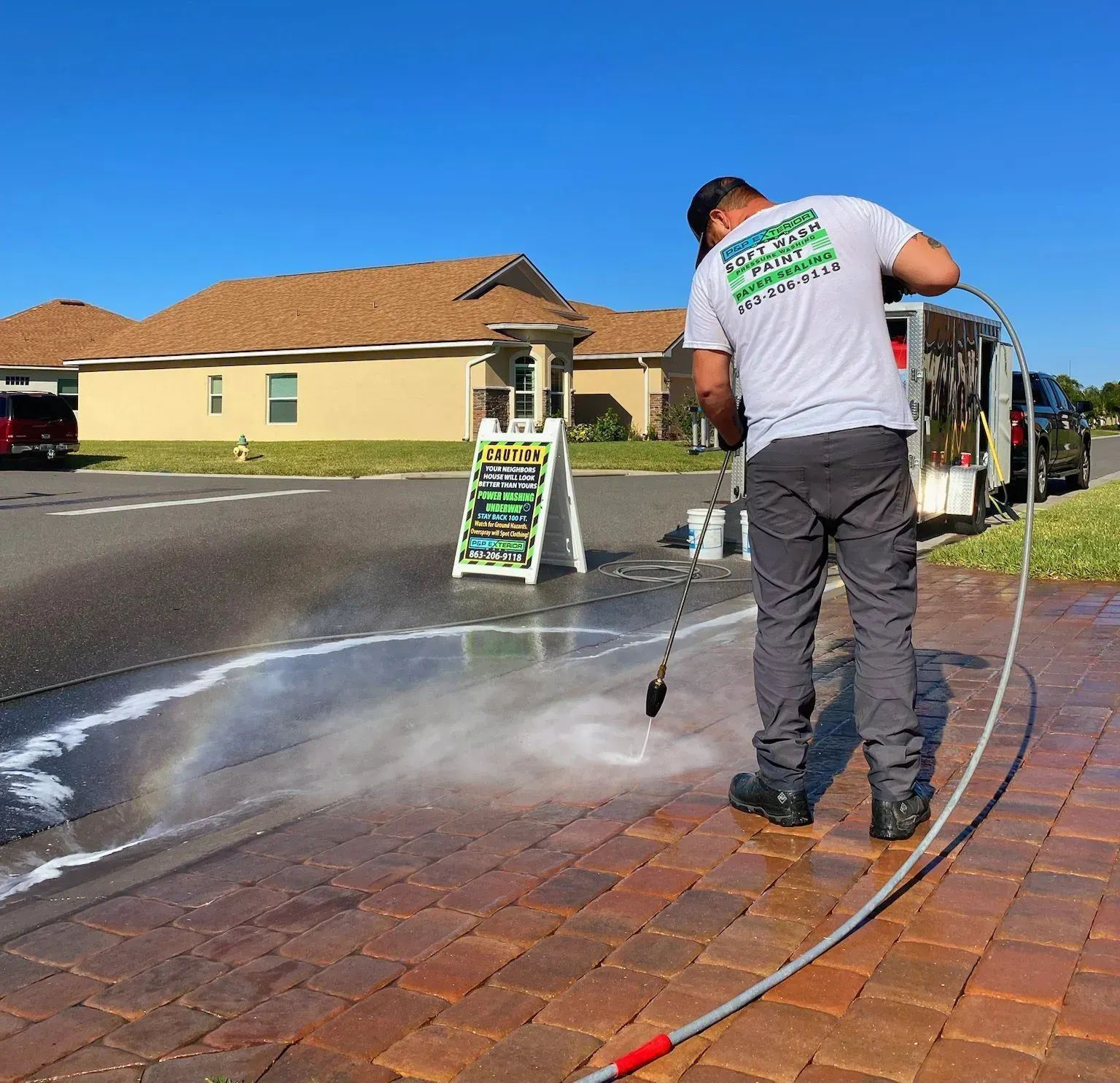
Exterior surfaces demand more extensive preparation due to exposure to the elements. This often includes power washing to remove dirt, mildew, or old paint, sanding rough spots, and applying weather-resistant primers. Failure to adequately prepare exterior surfaces can lead to paint failure, with peeling, blistering, or fading occurring within a short timeframe. Professionals often inspect for structural issues, such as wood rot or rust, addressing these before painting to maximize the lifespan of the finish.
Best Practices
- Always clean surfaces thoroughly before painting to ensure proper adhesion.
- Apply primer tailored to the surface type and paint choice.
- For exterior projects, consider sealing cracks or gaps to prevent water infiltration.
- Test small sections to confirm adhesion and finish quality before full application.
3. Color, Finish, and Aesthetic Considerations
Interior Color Selection
Interior painting emphasizes the mood and functionality of a space. Lighter colors can make rooms feel larger and brighter, while darker hues create a cozy, intimate atmosphere. Paint finishes vary from matte and eggshell to satin and semi-gloss, each offering different aesthetic qualities and ease of cleaning. High-traffic areas, such as kitchens and hallways, benefit from more durable, washable finishes, while bedrooms or living areas may prioritize a softer look.
Exterior Color Selection
Exterior color selection involves both aesthetic appeal and practical performance. Lighter shades reflect heat and may reduce cooling costs in warmer climates, while darker colors can accentuate architectural details. Exterior finishes, such as satin, semi-gloss, or flat, are chosen not only for visual appeal but also for their ability to repel dirt, resist fading, and shed water. A well-planned color scheme enhances curb appeal, property value, and harmony with the surrounding environment.
Design and Trends
Trends in interior and exterior painting often differ. Interior design may focus on accent walls, textures, or color-blocking techniques to define spaces. Exterior painting prioritizes architectural cohesion, complementing landscaping, roofing, and other design elements. In both cases, consulting color swatches and testing samples on-site can prevent costly mistakes and ensure a cohesive, professional finish.
4. Tools, Techniques, and Application Methods
Interior Painting Techniques
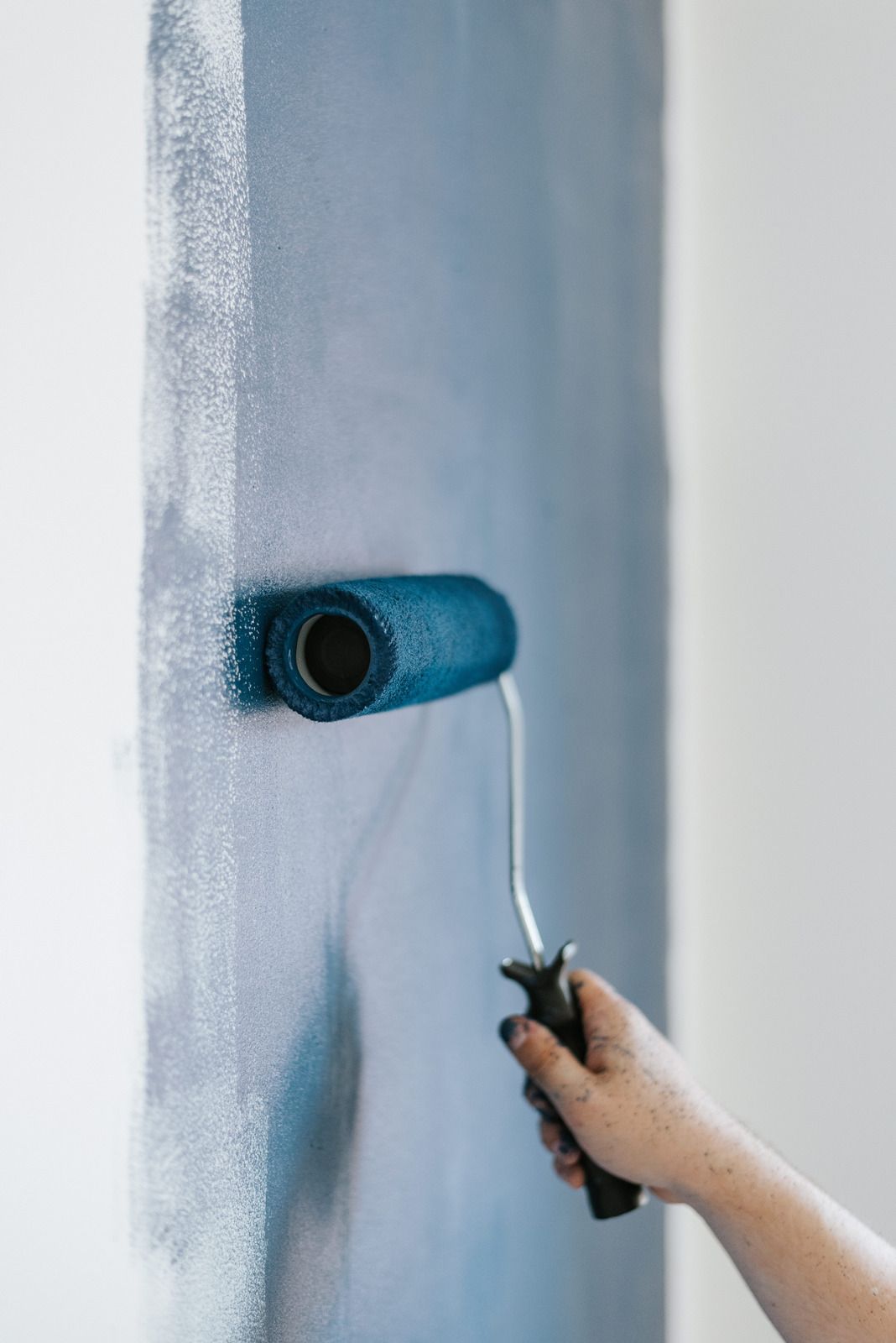
Interior painting often requires precision to achieve a polished finish. Tools such as high-quality brushes, rollers, and paint sprayers are selected based on the surface type and desired effect. Cutting-in around edges, corners, and trim is crucial for clean lines, while rolling larger surfaces ensures even coverage. Professionals may employ layering techniques, such as applying multiple thin coats rather than a single thick layer, to prevent drips and uneven drying.
Exterior Painting Techniques
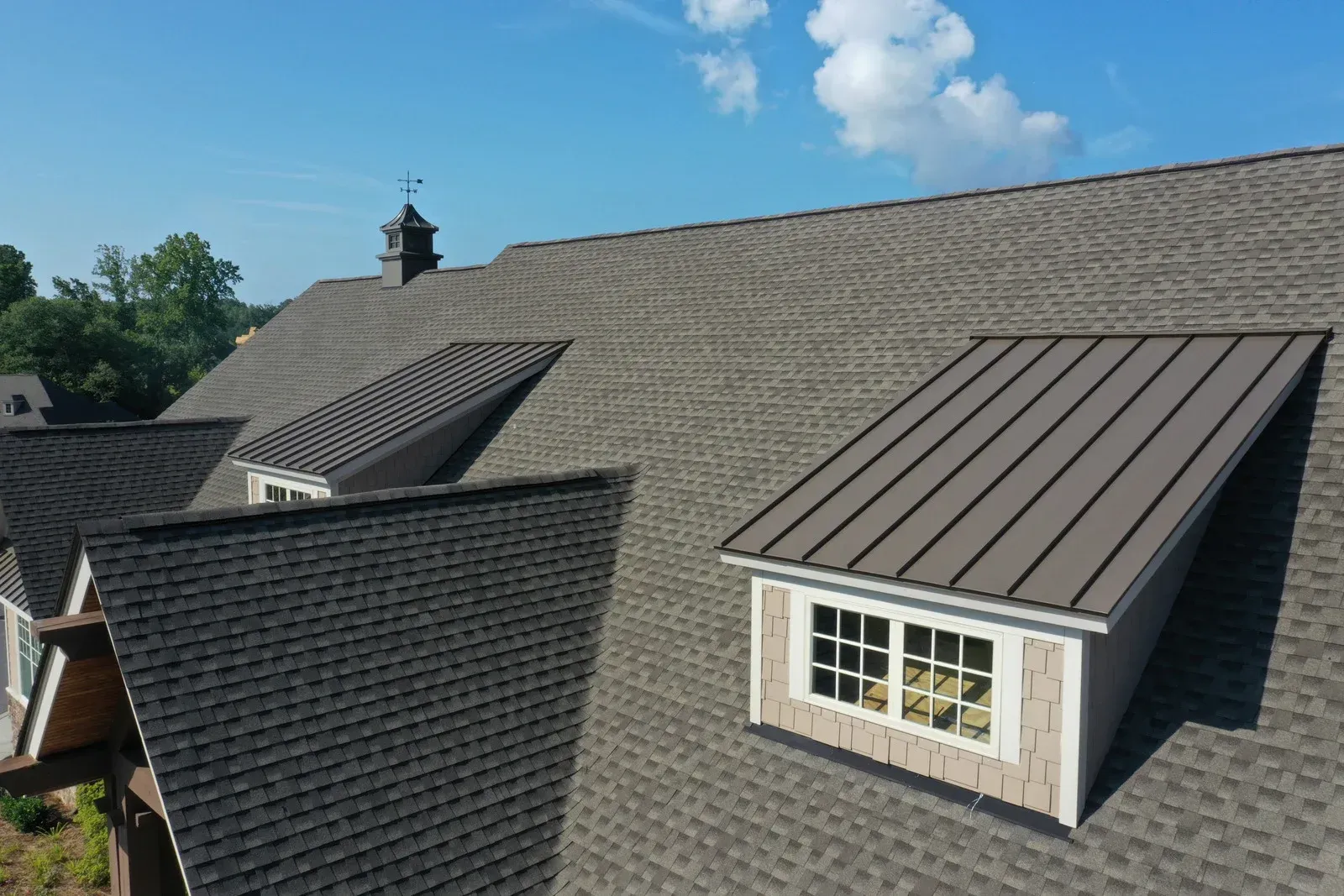
Exterior painting involves techniques that accommodate larger surfaces, uneven textures, and environmental variables. Power rollers, airless sprayers, and brushes are commonly used to efficiently cover walls, siding, and trim. Painting in favorable weather conditions—avoiding extreme heat, humidity, or wind—is essential to prevent premature drying or adhesion problems. In some cases, multiple coats and specialized sealants may be applied to ensure long-term protection against the elements.
Common Challenges
- Interior: Managing odors, minimizing splatter, achieving consistent color on varying textures.
- Exterior: Weather interruptions, surface irregularities, and longer drying times.
Overcoming these challenges requires professional expertise, careful planning, and the right combination of tools and techniques for each environment.
5. Maintenance and Longevity Considerations
Interior Maintenance
Interior paint generally requires routine cleaning with mild detergents and water. Matte finishes may be more prone to staining and require touch-ups, whereas semi-gloss and satin finishes offer easier maintenance in high-traffic areas. Proper ventilation, humidity control, and gentle cleaning practices help maintain appearance and reduce the risk of peeling or discoloration over time.
Exterior Maintenance
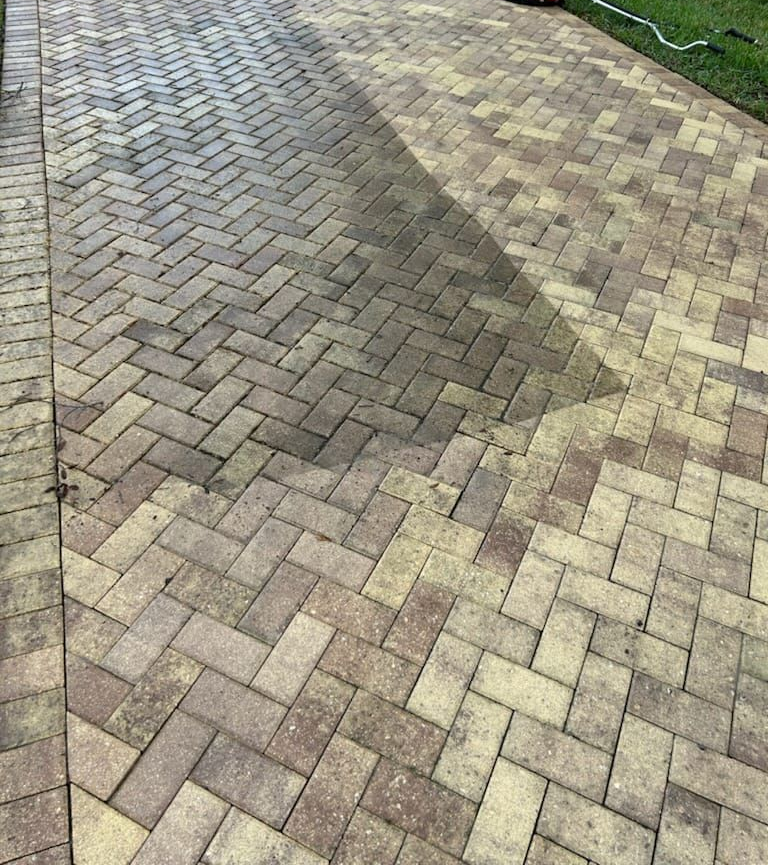
Exterior paint faces more rigorous maintenance demands. Regular inspections, power washing, and timely touch-ups prevent damage from sun, rain, and temperature changes. High-quality exterior paints and primers extend longevity, but periodic repainting—typically every 5–10 years depending on climate—is necessary to preserve appearance and protect structural integrity. Neglecting exterior maintenance can lead to water infiltration, rot, and costly repairs.
Cost vs. Value
Investing in quality paints and proper application yields long-term savings. While premium paints may have higher upfront costs, they reduce the frequency of repainting, limit maintenance needs, and protect the property from environmental damage. Understanding these trade-offs helps property owners make informed decisions that balance budget and performance.
6. Why Professional Expertise Matters
Knowledge of Materials
Professional painters understand the chemical and physical properties of both interior and exterior paints. This expertise ensures that the correct formulations are applied to specific surfaces, optimizing adhesion, coverage, and durability. Misusing paint types can compromise results and shorten the lifespan of the finish.
Skillful Application
Achieving a flawless finish requires more than just the right paint. Professionals bring experience in surface preparation, cutting-in, rolling, spraying, and layering techniques that prevent common issues such as streaks, bubbles, or uneven drying. Their ability to adapt to varying surface conditions and environmental factors ensures a high-quality outcome.
Risk Reduction
Hiring professionals mitigates risks such as structural damage, improper coating, and health hazards from VOC exposure or chemical contact. They follow industry best practices, adhere to safety guidelines, and provide warranties or guarantees that protect both the property and the investment.
Trusted Painting Experts Maximizing Long-Term Property Value
Interior and exterior painting may appear similar at first glance, but understanding their fundamental differences is essential for achieving optimal results. Interior painting emphasizes aesthetics, low odor, and cleanability, while exterior painting prioritizes durability, weather resistance, and long-term protection. From surface preparation to paint selection, application techniques, and maintenance practices, each environment presents unique requirements that impact the quality, lifespan, and overall success of a project. Recognizing these distinctions enables property owners to make informed decisions, avoid costly mistakes, and enhance both the appearance and structural integrity of their properties.
For 15
years, P&P Exterior Wash, LLC, based in Polk County, Florida, has been providing expert painting and exterior maintenance solutions. Our team combines professional expertise with meticulous attention to detail, delivering results that protect and beautify your property. We understand the nuances of interior and exterior painting, from surface preparation and paint selection to application techniques tailored for specific environments. Trusted by homeowners and businesses alike, P&P Exterior Wash, LLC
ensures durable, visually stunning finishes that enhance property value while minimizing maintenance concerns. Whether it’s safeguarding your home from harsh Florida weather or refreshing interior living spaces, our experienced team delivers reliable, high-quality services that stand the test of time.