Pool Screen Washing: Why It’s More Important Than You Think
Pool screens are more than a mere aesthetic addition to your backyard oasis—they serve a crucial role in maintaining safety, cleanliness, and structural integrity. While many homeowners focus on water quality and pool maintenance, the health and upkeep of pool screens often go overlooked. Neglecting screen maintenance can result in damage that compromises both the appearance and functionality of your outdoor space. Understanding why regular pool screen washing is essential empowers homeowners to protect their investments and extend the lifespan of these critical components.

The accumulation of dirt, pollen, mold, and other environmental debris on pool screens is not just a cosmetic concern; it can lead to serious long-term problems. Debris buildup weakens screens, encourages corrosion in metal frames, and creates an ideal environment for algae and mildew growth. This not only reduces the visual appeal of your pool area but also poses potential health risks to your family. In addition, unclean screens can obstruct sunlight and airflow, impacting the overall comfort of your poolside experience. Professional pool screen washing ensures thorough cleaning, restores aesthetic appeal, and enhances durability, making it a vital aspect of comprehensive pool maintenance that homeowners should prioritize.
1. Understanding Pool Screens and Their Purpose
The Role of Pool Screens
Pool screens act as protective barriers between your swimming area and the external environment. They prevent leaves, insects, and debris from entering your pool, which reduces the need for chemical treatments and minimizes cleaning time. Beyond cleanliness, screens serve as safety features, keeping pets and young children away from the water while maintaining visibility. Many pool enclosures are also designed to enhance privacy, making the upkeep of screens critical for both functionality and aesthetics.
Common Misconceptions About Pool Screens
Many homeowners assume pool screens are maintenance-free or that occasional rinsing is sufficient. This misconception leads to neglect, which can cause gradual deterioration. Over time, accumulation of dirt, dust, and pollen can cause screens to sag, tear, or corrode the supporting frames. Another common misunderstanding is that pressure washing alone can fully clean screens. Without proper technique, aggressive cleaning can damage delicate mesh and compromise the integrity of the frame. Understanding the true purpose of screens and the risks of neglect helps homeowners recognize why professional washing is more than a cosmetic measure—it is preventive maintenance.
Environmental Factors That Affect Screens
Pool screens are constantly exposed to environmental stressors. Florida, in particular, experiences high humidity, frequent rainfall, and strong sun exposure, all of which accelerate the accumulation of grime and contribute to frame corrosion. Pollen season introduces fine particles that cling to the mesh, while airborne mold spores and algae thrive in damp conditions. Recognizing these environmental factors highlights the importance of regular, professional cleaning, which addresses issues that standard DIY methods often overlook.
2. Health and Safety Benefits of Pool Screen Washing
Reducing Allergen and Mold Exposure
Dirty pool screens harbor mold, mildew, and pollen, all of which pose respiratory risks to homeowners and guests. For individuals with allergies or asthma, even minor exposure can trigger symptoms. Professional washing removes these contaminants efficiently, improving air quality around the pool area and creating a healthier environment for family members. Routine cleaning minimizes allergen accumulation, ensuring that the pool area remains safe and comfortable throughout the year.
Preventing Slips, Falls, and Structural Hazards
Algae and mold growth on screens and surrounding structures can spread to decks and walkways, creating slippery surfaces. By maintaining clean screens, homeowners reduce the likelihood of accidents caused by slick surfaces. Moreover, debris buildup can stress screen frames, eventually leading to structural instability. Regular washing prevents corrosion, sagging, and tears that might compromise safety and require costly repairs or replacement.
Enhancing Water Quality and Pool Hygiene
Screen cleanliness directly impacts pool hygiene. Debris that bypasses the enclosure often ends up in the pool, increasing chemical demand and reducing water clarity. By keeping screens free of dirt and biofilm, homeowners maintain better control over water quality, reduce chlorine and chemical use, and promote a safer swimming environment for everyone. Professional cleaning ensures that screens function optimally, keeping unwanted contaminants out and protecting the overall health of the pool ecosystem.
3. Common Challenges in Maintaining Pool Screens
Dirt, Dust, and Pollen Accumulation
One of the primary challenges in pool screen maintenance is the relentless accumulation of environmental particles. Dust and pollen settle on the mesh, sometimes embedding deeply over time. While occasional rinsing can remove surface dirt, deeper layers require professional cleaning solutions and techniques. Ignoring this buildup can result in stubborn stains and accelerated wear, which DIY methods often fail to address.
Mold, Mildew, and Algae Growth
Mold and mildew are common problems in humid climates. Screens exposed to moisture for extended periods develop black or green spots that not only appear unsightly but also degrade the screen material. Algae can form on screen frames, especially in shaded or poorly ventilated areas. Regular washing prevents these biological hazards from establishing themselves and prolongs the lifespan of screens.
Weather-Related Wear and Tear
Pool screens endure constant exposure to sun, rain, wind, and storms. UV rays weaken screen fibers, while wind can push debris against the mesh, causing small tears or stretching. Rain and humidity promote corrosion in metal frames, compounding the problem. Without proper maintenance, these factors accelerate damage and increase replacement costs. Professional washing and inspection can identify and address early signs of weather-related deterioration, preventing more extensive damage over time.
4. Best Practices for Effective Pool Screen Washing
Choosing the Right Cleaning Method
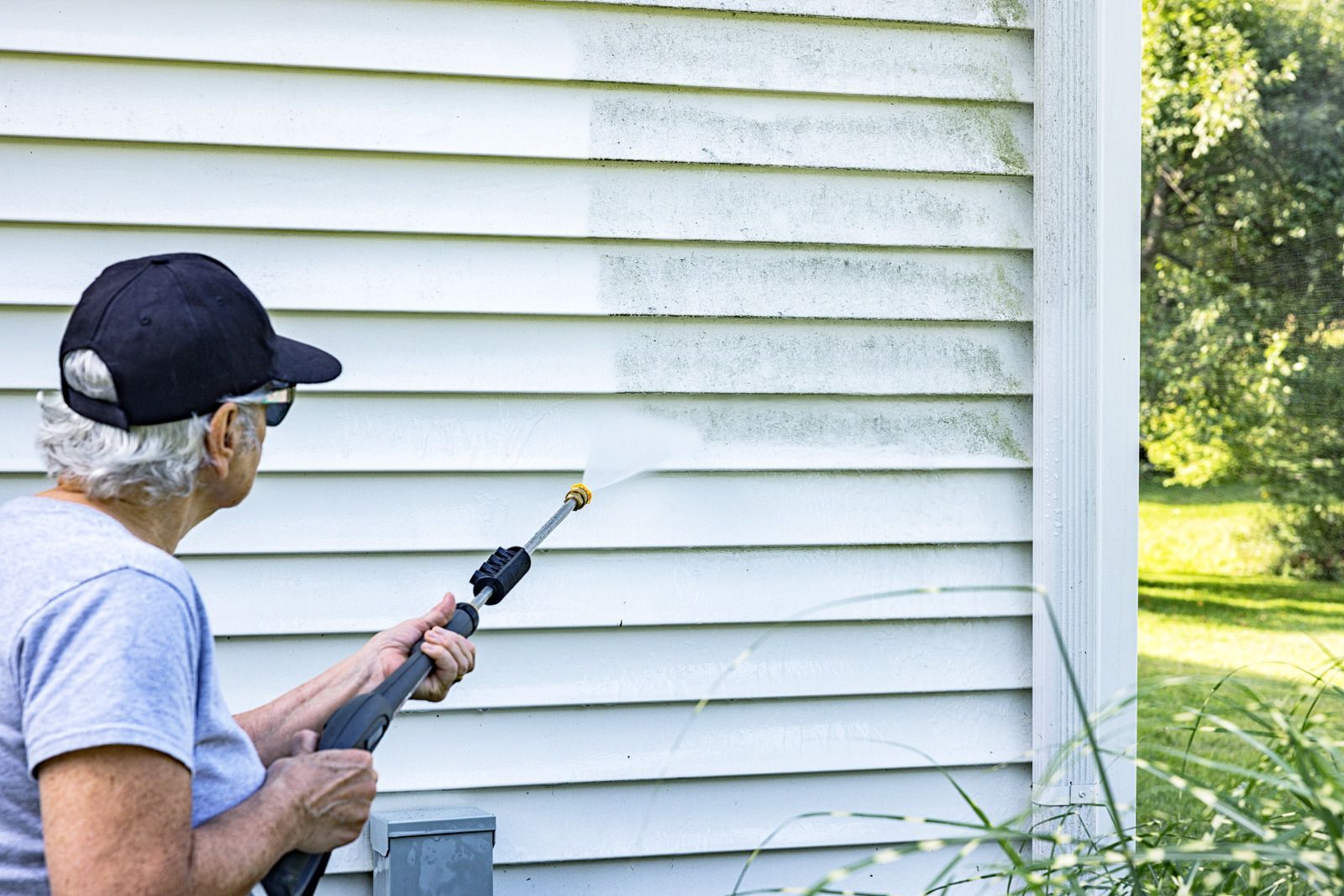
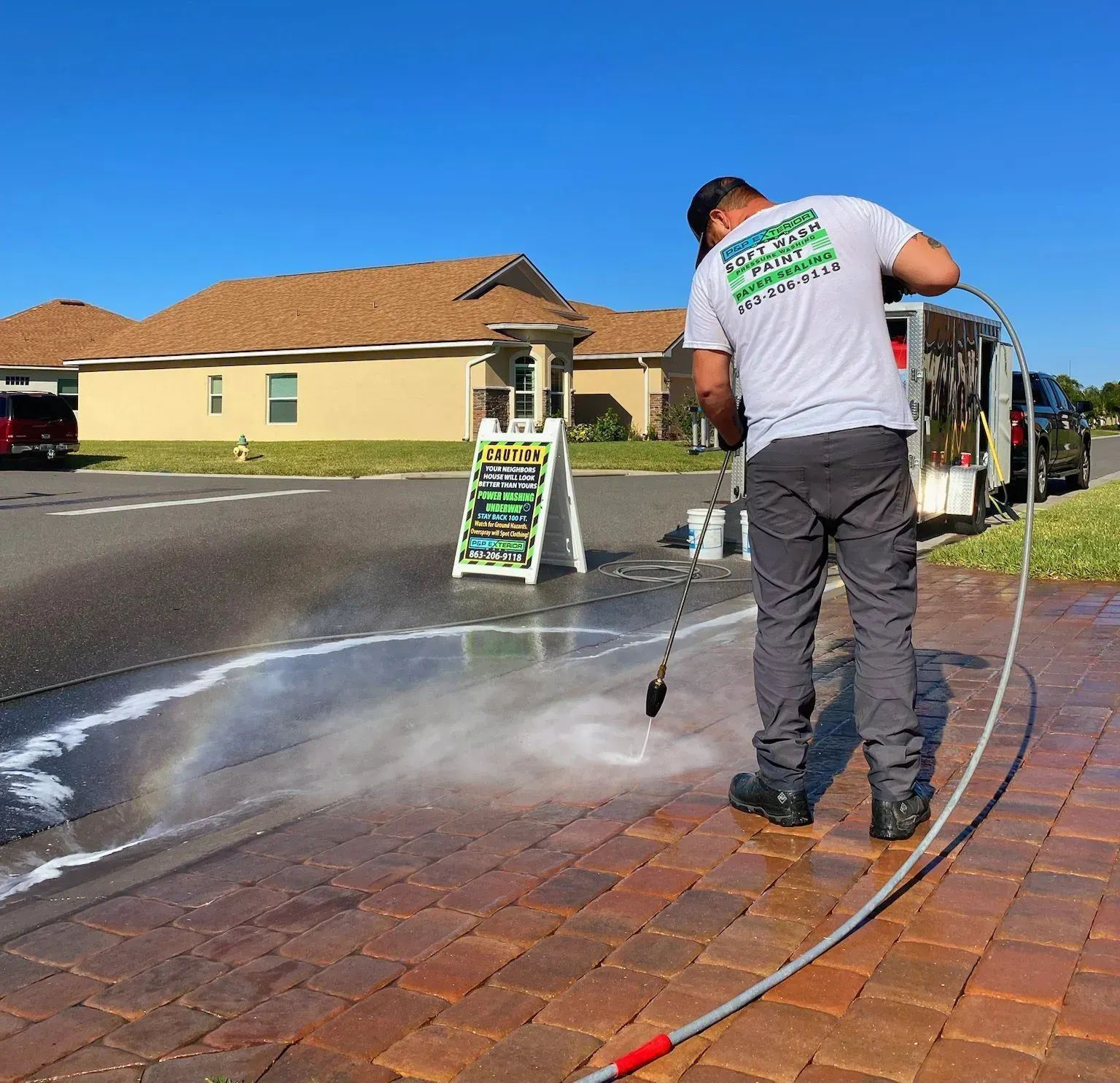
Professional pool screen washing often involves low-pressure washing or soft brushing combined with environmentally safe cleaning agents. This method ensures that screens are thoroughly cleaned without damaging the mesh or frame. Avoiding high-pressure washing is crucial, as it can cause stretching, tearing, or loosening of frames. The right technique not only restores visual appeal but also strengthens the material against future wear.
Frequency of Cleaning
The frequency of pool screen cleaning depends on environmental conditions and usage. In regions with high pollen counts, frequent storms, or heavy leaf fall, quarterly cleaning is recommended. Homes in less demanding environments may benefit from semi-annual maintenance. Professional service providers can assess specific conditions and develop a tailored schedule that maximizes screen longevity and performance.
DIY vs. Professional Services
While basic rinsing or light brushing can be performed by homeowners, professional services provide several advantages. Experts have access to specialized tools, eco-friendly chemicals, and techniques that ensure thorough cleaning and frame protection. Professionals can also identify small tears, corrosion, or structural issues early, reducing long-term costs. Investing in professional washing minimizes risks and extends the functional life of pool screens.
5. Real-World Scenarios and Case Studies
Residential Pool Example
A family in central Florida experienced rapid deterioration of their pool screens due to high pollen and frequent storms. DIY rinsing methods failed to remove embedded debris, resulting in corrosion along the aluminum frames. After engaging a professional service, the screens were cleaned thoroughly, stains removed, and minor repairs addressed. This proactive approach not only restored aesthetic appeal but also prevented costly replacements.
Community Pool Example
At a community pool, neglect of screen maintenance led to mold growth and visible staining across multiple enclosures. This posed health risks for visitors and required temporary closure for deep cleaning. By implementing a quarterly professional washing schedule, administrators maintained pristine conditions, ensured guest safety, and minimized disruption to operations. These examples highlight the tangible benefits of timely and professional screen maintenance.
6. Cost-Benefit Analysis of Professional Pool Screen Washing Matters
Long-Term Savings
Investing in regular professional screen washing may seem like an additional expense, but it significantly reduces the likelihood of costly repairs or premature replacements. Screens exposed to dirt, mold, and corrosion deteriorate faster, leading to higher maintenance and replacement costs. Professional cleaning extends lifespan, ensuring homeowners receive the maximum value from their investment.
Enhanced Property Value
Well-maintained pool screens enhance the visual appeal of outdoor spaces and contribute to overall property value. For homeowners planning to sell, clean and intact screens create a positive impression and reflect diligent property care. Maintaining screens professionally demonstrates attention to detail, which can influence buyer perception and marketability.
Time and Effort Savings
Professional services save homeowners substantial time and effort. Pool screen washing requires specialized knowledge, equipment, and techniques to be effective. By outsourcing this task, homeowners can focus on enjoying their pool while ensuring thorough and safe cleaning. The efficiency and quality of professional services outweigh the convenience of DIY methods.
Expert Team Maintaining Your Screens with Precision
Pool screen washing is a crucial yet often overlooked component of comprehensive pool maintenance. Regular cleaning addresses both aesthetic and functional concerns, preventing damage caused by dirt, pollen, mold, and environmental stressors. Beyond visual appeal, professionally washed screens enhance safety, improve air quality, and contribute to better pool hygiene. Implementing a structured maintenance routine, combined with preventive measures, ensures long-term performance and cost efficiency.
At P&P Exterior Wash, LLC, we understand the unique demands of pool screen care in Polk County, Florida. With 15
years of experience, our team delivers expert, reliable, and thorough cleaning services that protect your investment and enhance your outdoor living space. We employ specialized techniques and eco-friendly solutions to restore and preserve screen integrity, ensuring lasting beauty, safety, and functionality. Homeowners trust P&P Exterior Wash, LLCfor unmatched professionalism, expert guidance, and results that reflect over a decade of dedicated service.