Why Pavers Fade and Crack Over Time and How Sealing Helps

May 30, 2026

Paver surfaces are designed to enhance curb appeal, improve functionality, and create durable outdoor living spaces. From driveways and walkways to patios and pool decks, pavers offer an attractive alternative to plain concrete while providing long-lasting performance. However, even the highest-quality pavers are not immune to the effects of time and environmental exposure. Many property owners notice that once-vibrant colors begin to fade, surfaces lose their original appearance, and small cracks start to develop. These changes often occur gradually, making it easy to overlook the underlying causes until noticeable damage appears.


Understanding why pavers fade and crack is essential for protecting the value and appearance of any outdoor surface. Weather conditions, moisture infiltration, ultraviolet exposure, ground movement, and daily wear all contribute to the deterioration process. While some degree of aging is natural, neglecting preventive maintenance can accelerate damage and lead to costly repairs or replacement. One of the most effective ways to preserve paver surfaces is through professional sealing. Knowing how pavers deteriorate and how sealing addresses these issues allows property owners to make informed decisions that extend the life of their investment and reduce long-term maintenance concerns.

Understanding Why Pavers Fade Over Time

The Impact of UV Exposure

One of the most common reasons pavers lose their original appearance is prolonged exposure to sunlight. Ultraviolet rays continuously break down pigments found within paver materials. Over months and years, this process causes colors to become dull, washed out, and uneven.


Properties located in regions with intense sun exposure often experience accelerated fading. Driveways, patios, and pool decks that receive direct sunlight throughout the day are particularly vulnerable. While fading may seem like a cosmetic issue at first, it often indicates that the surface is being subjected to ongoing environmental stress.


Weather and Environmental Contaminants

Weather conditions play a significant role in paver deterioration. Rain, humidity, wind, and temperature fluctuations continually affect the surface. Dirt, pollen, mold, algae, and airborne pollutants can settle into the pores of the pavers, gradually altering their appearance.


Over time, these contaminants create staining and discoloration that diminish the visual appeal of outdoor spaces. In areas with heavy rainfall, moisture can carry minerals and debris into the paver surface, contributing to further color changes.


Everyday Wear and Tear

Foot traffic, vehicle traffic, outdoor furniture movement, and regular use gradually wear down the outer layer of pavers. As this protective surface erodes, colors appear less vibrant and the material becomes more susceptible to damage.


Driveways often experience faster fading than patios because vehicle tires, oil drips, and constant weight place additional stress on the surface. Without proper protection, these factors contribute to premature aging and a worn appearance.

What Causes Pavers to Crack?

Moisture Infiltration and Water Damage

Water is one of the most damaging elements affecting paver longevity. Although pavers are designed to withstand outdoor conditions, excessive moisture infiltration can weaken the structural integrity of the installation.


Water enters through joints, surface pores, and small imperfections. As moisture penetrates deeper into the system, it can erode the bedding layer and compromise the stability of the base beneath the pavers. When support weakens, shifting and movement often occur, increasing the likelihood of cracks.


In colder climates, freeze-thaw cycles can worsen the problem. Water trapped inside pavers expands when frozen and contracts when thawed. This repeated movement places stress on the material and contributes to cracking over time.

Ground Movement and Settlement

The stability of any paver installation depends heavily on the condition of the underlying base. Soil expansion, contraction, erosion, and settlement can cause sections of a paver surface to shift unevenly.


When one area settles more than another, pressure becomes concentrated in specific locations. This uneven stress creates conditions that lead to cracks, separation, and structural damage.


Even professionally installed pavers can experience movement as surrounding soil conditions change over the years. Tree roots, drainage issues, and nearby construction activity can all contribute to ground instability.

Excessive Weight Loads

Not all pavers are designed for the same level of traffic. Applying loads beyond the intended capacity of the installation can result in cracking and surface failure.


For example, a patio designed primarily for foot traffic may develop damage if repeatedly exposed to heavy equipment or oversized vehicles. Understanding load requirements during installation helps reduce long-term risks, but protective maintenance remains equally important.

The Hidden Costs of Ignoring Paver Deterioration

Small Problems Become Major Repairs

Many property owners postpone maintenance because fading and minor cracks appear insignificant. However, small issues often develop into larger structural concerns when left untreated.


A tiny crack can allow water infiltration. Moisture penetration may weaken the base, leading to shifting, settlement, and additional cracking. What begins as a simple cosmetic flaw can eventually require extensive repairs.


Addressing problems early helps avoid costly restoration projects and preserves the overall integrity of the installation.

Reduced Property Appearance

Outdoor surfaces contribute significantly to first impressions. Faded, stained, or cracked pavers can make an otherwise attractive property appear neglected.


Whether for residential or commercial properties, maintaining clean and vibrant paver surfaces enhances curb appeal and creates a more welcoming environment. Well-maintained hardscapes complement landscaping, architecture, and outdoor living areas.

Lower Long-Term Value

Outdoor improvements represent a substantial investment. Allowing pavers to deteriorate prematurely reduces the return on that investment.


Potential buyers often notice visible signs of neglect during property evaluations. Damaged pavers can create concerns about maintenance history and future repair costs. Protecting pavers through proper care helps preserve both aesthetic and financial value.

How Sealing Protects Pavers From Fading and Cracking

Creating a Protective Barrier

Paver sealing works by applying a specialized protective coating to the surface. This barrier shields the pavers from many of the environmental factors responsible for deterioration.


A quality sealer reduces direct exposure to moisture, ultraviolet rays, dirt, oils, and contaminants. By limiting contact with these damaging elements, the sealing process helps slow the aging process and maintain the original appearance of the surface.


UV Protection for Color Preservation

One of the most valuable benefits of sealing is protection against color fading. Many modern sealers contain UV-resistant properties that help minimize pigment breakdown caused by sunlight.


As a result, sealed pavers retain their color longer than unsealed surfaces. This protection allows outdoor areas to maintain a cleaner, richer appearance throughout the years.


For property owners who have invested in decorative pavers, preserving color is often a primary motivation for sealing.


Moisture Resistance

While sealers do not make pavers completely waterproof, they significantly reduce water absorption. Lower moisture penetration means fewer opportunities for erosion, staining, mold growth, and structural weakening.


By helping keep water out of the paver system, sealing supports the stability of the installation and reduces risks associated with shifting and cracking.


This moisture resistance becomes especially valuable in areas exposed to heavy rain, irrigation systems, or pool water.

Best Practices for Long-Term Paver Protection

Regular Cleaning Before Problems Develop

Keeping pavers clean helps prevent contaminants from becoming embedded in the surface. Dirt, algae, mold, and organic debris should be removed routinely to maintain appearance and reduce deterioration.


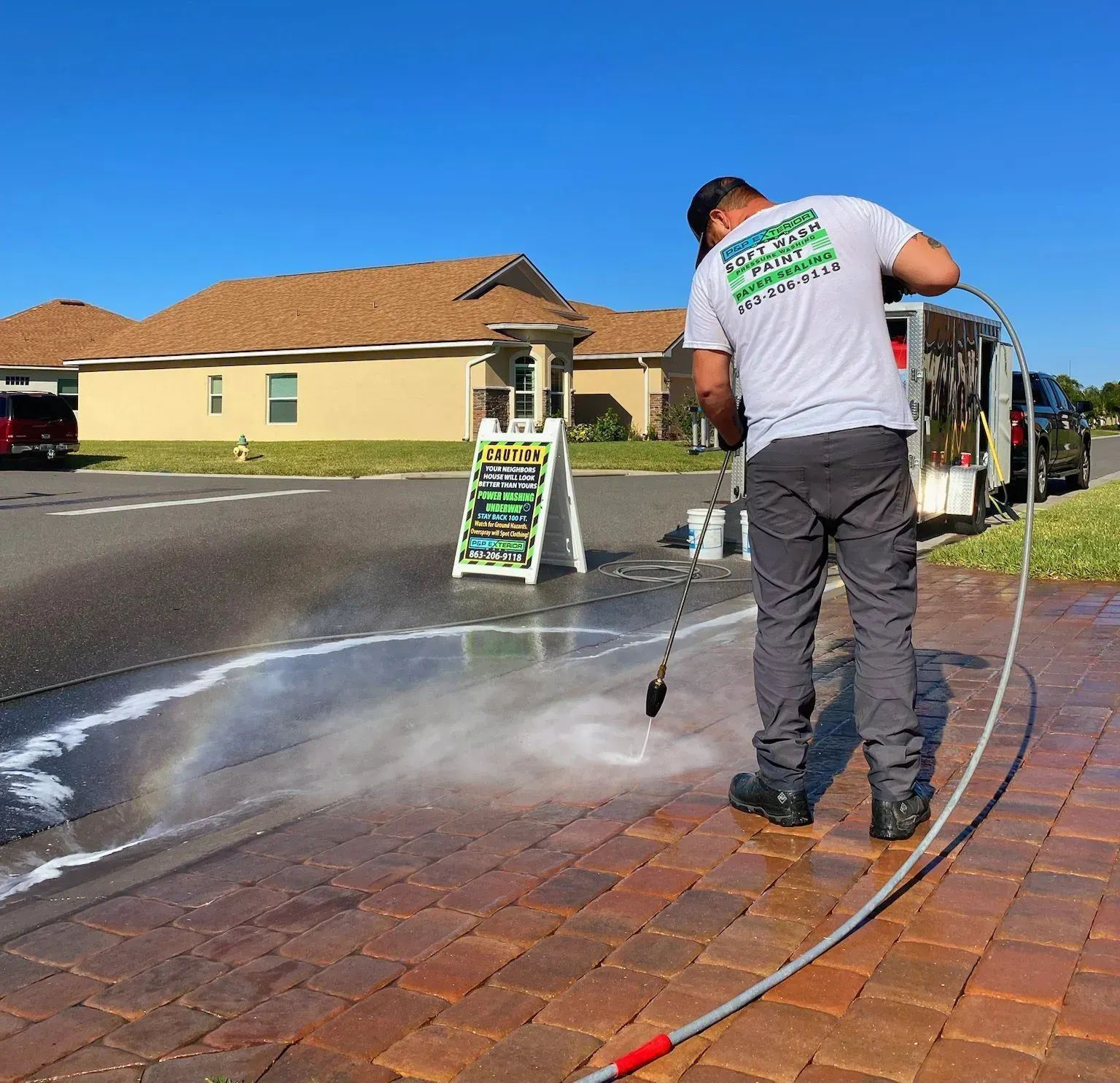
Pressure washing, when performed correctly, can restore the look of pavers and prepare the surface for future sealing. However, excessive pressure can damage joint sand and surface materials, making proper techniques important.

Reapply Sealer When Necessary

Sealers do not last forever. Environmental exposure gradually wears down protective coatings, reducing their effectiveness over time.


The ideal resealing schedule depends on climate conditions, traffic levels, and the type of sealer used. Monitoring the condition of the surface helps determine when additional protection is needed.


A proactive resealing schedule often costs far less than repairing widespread deterioration.

Address Drainage Issues Promptly

Water management remains one of the most important factors in paver longevity. Poor drainage allows moisture to accumulate around the installation, increasing risks of settlement, staining, and cracking.


Property owners should inspect gutters, downspouts, grading, and surrounding landscaping to ensure water flows away from paved surfaces. Correcting drainage issues early helps preserve both appearance and structural stability.

Work With Experienced Professionals

Proper surface preparation and product selection significantly influence sealing performance. Professional evaluation helps identify existing issues, select suitable sealers, and ensure proper application.


Expert installation and maintenance practices maximize the benefits of sealing while reducing the likelihood of future problems. Investing in professional care often extends the lifespan of paver surfaces and delivers better long-term results.

Experience Superior Surface Protection From Industry Experts

Paver fading and cracking rarely occur because of a single cause. Instead, these issues develop through a combination of ultraviolet exposure, moisture infiltration, environmental contaminants, ground movement, and daily wear. While deterioration is a natural part of aging, neglecting maintenance can accelerate damage and shorten the lifespan of outdoor surfaces. Understanding these contributing factors allows property owners to take preventive action before small concerns become costly repairs. Sealing remains one of the most valuable tools for protecting pavers from long-term deterioration


For property owners seeking reliable paver protection, P&P Exterior Wash, LLC brings 15 years of industry experience serving Polk County, Florida. Our approach focuses on preserving the beauty, durability, and value of outdoor surfaces through professional cleaning, sealing, and maintenance solutions tailored to local environmental conditions. Using proven methods and high-quality products, we help protect pavers from fading, staining, moisture damage, and premature wear while enhancing their overall appearance. Every project begins with a careful evaluation of the surface to determine the most appropriate treatment plan. When preserving the beauty and performance of pavers matters, we deliver the experience, knowledge, and dependable service property owners can trust.

A worker in a gray t-shirt pressure washes a brick paver driveway near a sign on a sunny day.
April 16, 2026
First impressions matter, especially when it comes to your home. The exterior of your property is the first thing visitors, potential buyers, and passersby notice. A well-maintained exterior not only enhances aesthetic appeal but also signals pride of ownership and can significantly increase property value.
A backyard swimming pool enclosed by a white screen cage, viewed from the patio looking toward trees and a clear blue sky.
March 10, 2026
Pool screens are more than a mere aesthetic addition to your backyard oasis—they serve a crucial role in maintaining safety, cleanliness, and structural integrity. While many homeowners focus on water quality and pool maintenance, the health and upkeep of pool screens often go overlooked.
Person painting trim on a building's exterior, wearing a cap and ear protection.
February 16, 2026
Painting is one of the most transformative ways to enhance both the appearance and longevity of a property. Whether it’s refreshing an interior space or protecting the exterior of a building, the right approach to painting can make a significant difference.
Large tree and house decorated with white Christmas lights at night.
January 12, 2026
Transforming a home into a festive masterpiece during the holiday season is a cherished tradition for many families, yet the process of installing Christmas lights can often feel overwhelming. From selecting the right lighting design to ensuring safe installation and proper electrical load management,
Two people apply floor coating to a speckled, blue-gray floor in a bright, indoor space.
December 25, 2025
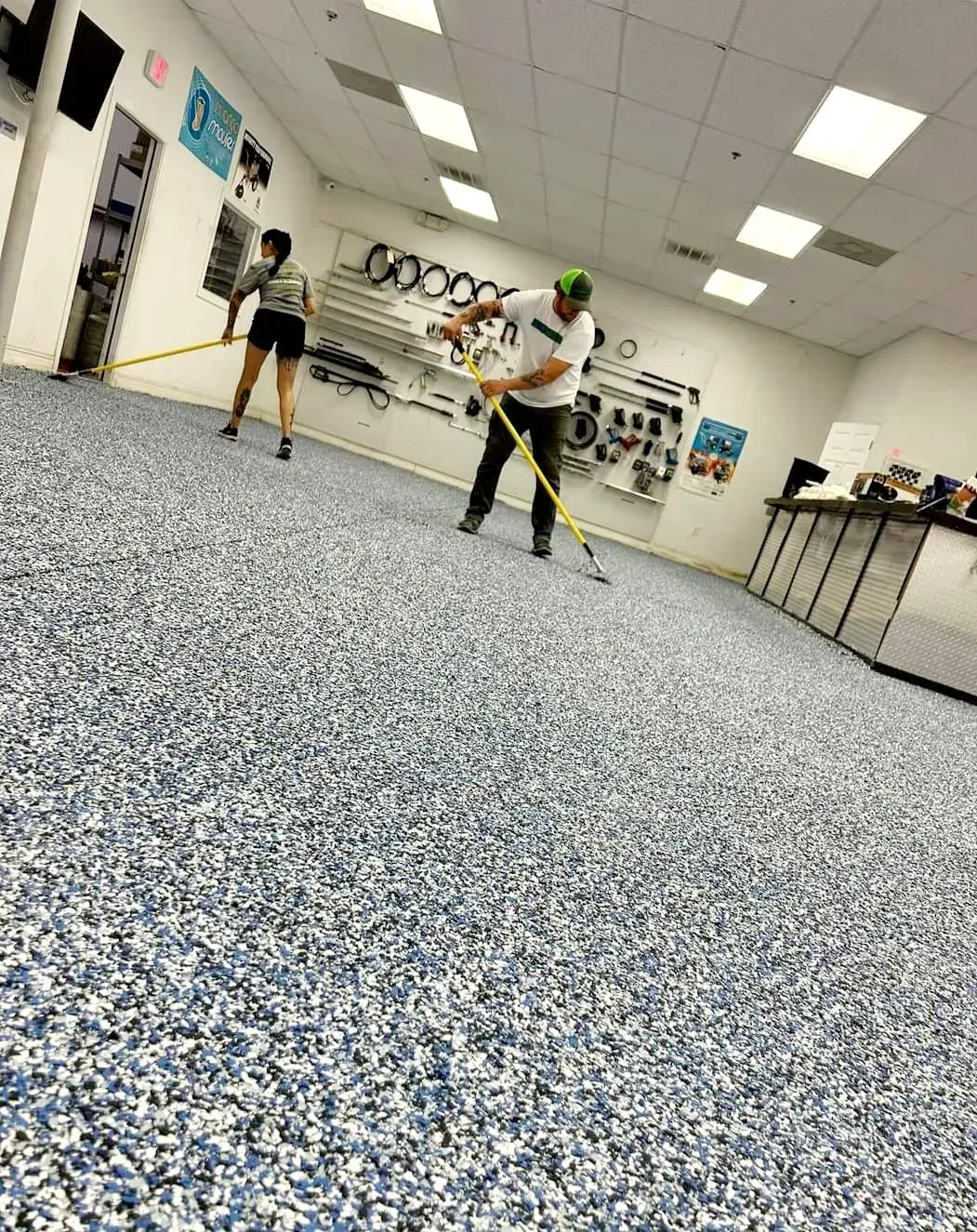
Transforming a garage from a dull, dusty space into a high-performing, visually appealing extension of your home is now more achievable than ever thanks to epoxy flooring. As homeowners look for durable solutions that elevate both functionality and style.
A person washing a large store window with a cleaning tool, downtown setting with storefronts, and a red car.
November 17, 2025
Clean, sparkling windows can completely transform the look of your home or business. However, achieving that streak-free shine is often easier said than done. Many homeowners struggle with smudges, streaks, and water spots, despite their best efforts with store-bought cleaners and household tools.
Pressure washer cleaning a black gutter on a roof.
October 14, 2025
For homeowners in Florida, gutters play a crucial role in protecting your home from water damage. They direct rainwater away from your roof, walls, and foundation, preventing costly repairs. However, gutters can quickly become clogged with leaves, debris, and pine needles, especially during Florida’s rainy seasons.
Herringbone brick pattern in shades of red and gray.
September 18, 2025
Pavers add beauty, function, and value to outdoor spaces such as driveways, patios, and walkways. While regular cleaning helps maintain their appearance, sealing is the crucial next step that many homeowners overlook.
A worker in safety gear pressure washing a red tile roof on a yellow house under a blue sky.
August 25, 2025
Your roof is one of the most critical components of your home, offering protection from the elements and contributing to overall curb appeal. Yet many homeowners overlook roof maintenance until visible damage occurs.
Show More