Pool Cage Turning Black in the Corners? Why Screens Need Soft Washing
Real estate professionals broadly agree that neutral exterior and interior palettes generate the widest buyer appeal. Neutrals do not alienate buyers who cannot visualize past a bold personal choice, and they photograph well in listing images, which is where most buyer decisions begin.
Popular exterior palettes for 2024 and 2025 have leaned toward warm whites with contrasting dark trim, soft sage greens paired with warm wood accents, and gray-blue tones with crisp white detailing. These combinations feel current without being trend-dependent, which means they will not feel dated within a year.
Neutral Palettes That Sell
When Unique Colors Work in Your Favor
In neighborhoods where homes tend to look similar, a thoughtfully distinct color can make a property stand out in listing searches and in person. The key is contrast within context. A home that reads as intentional and well-maintained in a color that differs from its neighbors gains attention without appearing out of place.
Consulting a color expert or using digital rendering tools to preview color combinations before committing eliminates the guesswork and reduces the risk of a choice that narrows rather than expands buyer interest.
Quick Answer: The black in the corners of a pool cage is mold and algae feeding on moisture, pollen, and dust that collect where the screen meets the frame. Corners stay damp longer, get less airflow, and trap debris, so growth starts there and spreads along the panels. Pressure washing can stretch, tear, or loosen screen and spline, and a quick rinse only removes the surface layer. Soft washing uses low pressure and a cleaning solution that kills the growth at the root, so the screen is cleaned without being punished. Cleaning before the growth takes over keeps the cage lighter, clearer, and easier to maintain.
You step out to the lanai on a Saturday morning and notice it again. The corners of the pool cage have turned dark, almost sooty, and the color is creeping along the bottom rails and up the seams. From across the yard the screen looks dingy and a little sad. Up close, the black has a fuzzy, speckled texture that smudges on your fingertip. You rinse it with the hose and a little washes off, but the shadow comes right back after the next stretch of rainy afternoons.
That dark film is not a stain you caused, and it is not a sign that the screen is failing. It is a living layer of mold and algae that has found the ideal spot to settle. Knowing why it starts in the corners, and why the way you clean it matters as much as whether you clean it, helps you protect the screen and enjoy the pool area for longer.
Real estate professionals broadly agree that neutral exterior and interior palettes generate the widest buyer appeal. Neutrals do not alienate buyers who cannot visualize past a bold personal choice, and they photograph well in listing images, which is where most buyer decisions begin.
Popular exterior palettes for 2024 and 2025 have leaned toward warm whites with contrasting dark trim, soft sage greens paired with warm wood accents, and gray-blue tones with crisp white detailing. These combinations feel current without being trend-dependent, which means they will not feel dated within a year.
Neutral Palettes That Sell
When Unique Colors Work in Your Favor
In neighborhoods where homes tend to look similar, a thoughtfully distinct color can make a property stand out in listing searches and in person. The key is contrast within context. A home that reads as intentional and well-maintained in a color that differs from its neighbors gains attention without appearing out of place.
Consulting a color expert or using digital rendering tools to preview color combinations before committing eliminates the guesswork and reduces the risk of a choice that narrows rather than expands buyer interest.
Why the Corners Turn Black First
Walk around your enclosure and you will notice a pattern. The growth is heaviest where the screen meets the frame, along the bottom rail near the pool deck, and in the sheltered corners where two panels come together. That is not random. Those spots share several conditions that mold and algae love.
Moisture lingers there. Rain, sprinkler overspray, pool splash, and morning dew all land on the screen, and the open mesh dries quickly in the middle of a panel where air moves through. At the edges and corners, water clings to the frame and the screen fibers, and it takes much longer to dry. In Central Florida, where humidity stays high for much of the year, those damp edges may never fully dry between storms during the summer.
Debris collects there. Pollen, oak tassels, dust, bug residue, and fine soil settle into the lowest and most protected points. That layer of organic material is food. Mold and algae do not grow on clean, dry mesh nearly as easily as they grow on mesh coated with a thin film of damp pollen.
Airflow is weakest there. Corners and frame joints are the places where air stagnates, so moisture hangs around and spores have time to settle and take hold. Shade from trees or from the roofline makes the effect stronger, because less sun means less natural drying and less of the light that slows growth.
Once the first colony takes hold, it spreads. Spores release and drift onto neighboring panels, and the dark patches that started in one corner begin to show up along the bottom rails and the sides that face the most shade.
Real estate professionals broadly agree that neutral exterior and interior palettes generate the widest buyer appeal. Neutrals do not alienate buyers who cannot visualize past a bold personal choice, and they photograph well in listing images, which is where most buyer decisions begin.
Popular exterior palettes for 2024 and 2025 have leaned toward warm whites with contrasting dark trim, soft sage greens paired with warm wood accents, and gray-blue tones with crisp white detailing. These combinations feel current without being trend-dependent, which means they will not feel dated within a year.
Neutral Palettes That Sell
When Unique Colors Work in Your Favor
In neighborhoods where homes tend to look similar, a thoughtfully distinct color can make a property stand out in listing searches and in person. The key is contrast within context. A home that reads as intentional and well-maintained in a color that differs from its neighbors gains attention without appearing out of place.
Consulting a color expert or using digital rendering tools to preview color combinations before committing eliminates the guesswork and reduces the risk of a choice that narrows rather than expands buyer interest.
What the Black Actually Is
The dark color usually comes from a mix of things growing together. Black mold and mildew produce dark pigment as they mature. Algae can look green when it is young and fresh, then turn dark gray or black as it dries and ages. Dirt and pollen mix in and deepen the color. So what you see is rarely just one organism. It is a small, living community sitting on the screen.
This matters because a surface that looks clean after a quick rinse can still hold spores and root structures in the mesh and along the frame. The visible top layer washes away, but the growth that remains regrows quickly, which is why corners seem to turn black again just weeks after you thought you handled it.
Tip: Run a finger along a dark corner on a dry day. If it leaves a gray or black smudge, you are looking at surface growth and debris. If the color stays put, the growth is deeper in the mesh and along the frame, and a simple rinse will not clear it.
Real estate professionals broadly agree that neutral exterior and interior palettes generate the widest buyer appeal. Neutrals do not alienate buyers who cannot visualize past a bold personal choice, and they photograph well in listing images, which is where most buyer decisions begin.
Popular exterior palettes for 2024 and 2025 have leaned toward warm whites with contrasting dark trim, soft sage greens paired with warm wood accents, and gray-blue tones with crisp white detailing. These combinations feel current without being trend-dependent, which means they will not feel dated within a year.
Neutral Palettes That Sell
When Unique Colors Work in Your Favor
In neighborhoods where homes tend to look similar, a thoughtfully distinct color can make a property stand out in listing searches and in person. The key is contrast within context. A home that reads as intentional and well-maintained in a color that differs from its neighbors gains attention without appearing out of place.
Consulting a color expert or using digital rendering tools to preview color combinations before committing eliminates the guesswork and reduces the risk of a choice that narrows rather than expands buyer interest.
Why Pressure Washing Is the Wrong Tool for Screens
Many homeowners reach for a pressure washer because it seems like the strongest answer. For a pool cage, strong is not what you want. Screen mesh is thin, flexible material held in place by a rubber spline pressed into a channel in the frame. A concentrated stream of high pressure water can do real harm to both.
The mesh can stretch, bow, or tear. Tiny damage to the strands is easy to cause and hard to see until later, when a patch sags or a hole opens up. The spline that locks the screen into the frame can be forced loose, and once it starts to come out, the panel can billow in the wind and pull away. Water driven at close range can also blast debris and growth deeper into the weave rather than rinsing it out, and it can chip or dull painted aluminum.
There is also the matter of what pressure leaves behind. Blasting the surface removes the visible layer, but it does nothing to kill the colony that is still living in the mesh and along the frame. The result is a screen that looks better for a short while and then goes dark again. The pressure puts the screen at risk and still does not solve the real problem.
Real estate professionals broadly agree that neutral exterior and interior palettes generate the widest buyer appeal. Neutrals do not alienate buyers who cannot visualize past a bold personal choice, and they photograph well in listing images, which is where most buyer decisions begin.
Popular exterior palettes for 2024 and 2025 have leaned toward warm whites with contrasting dark trim, soft sage greens paired with warm wood accents, and gray-blue tones with crisp white detailing. These combinations feel current without being trend-dependent, which means they will not feel dated within a year.
Neutral Palettes That Sell
When Unique Colors Work in Your Favor
In neighborhoods where homes tend to look similar, a thoughtfully distinct color can make a property stand out in listing searches and in person. The key is contrast within context. A home that reads as intentional and well-maintained in a color that differs from its neighbors gains attention without appearing out of place.
Consulting a color expert or using digital rendering tools to preview color combinations before committing eliminates the guesswork and reduces the risk of a choice that narrows rather than expands buyer interest.
How Soft Washing Cleans a Screen the Right Way
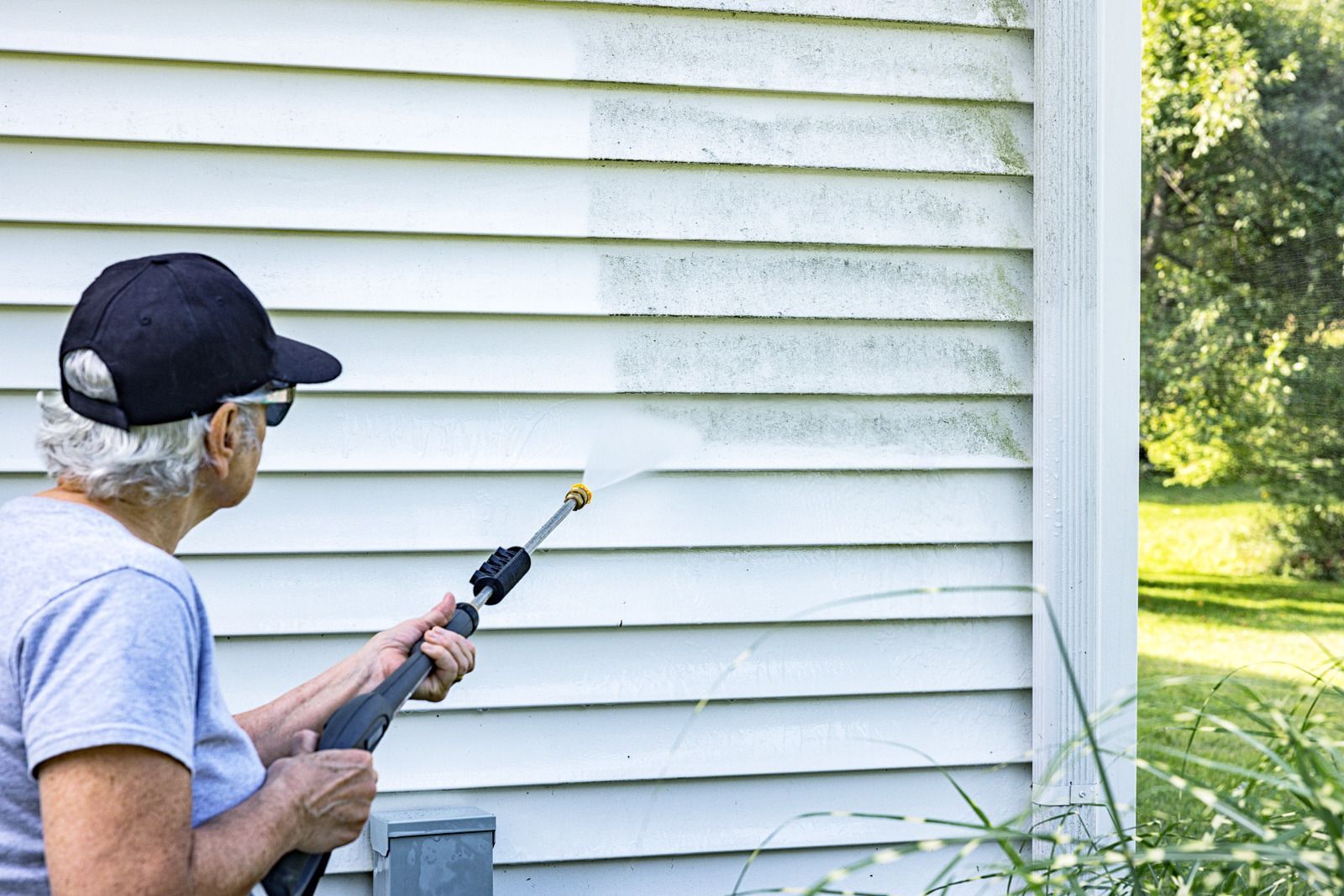
Soft washing flips the approach. Instead of relying on force, it relies on a cleaning solution and low pressure water to do the work. The solution is applied gently to the screen and frame, given time to break down the mold, algae, and organic film, and then rinsed away with a gentle flow of water.
This works for pool cages for a few reasons. The solution reaches into the mesh and the corners where growth is anchored, which means it treats the source and not just the surface. Low pressure keeps the mesh, spline, and frame safe, so you are not trading a dingy screen for a damaged one. And because the growth is actually killed, the cleaned look lasts longer than a rinse that only moves the dirt around.
A careful soft wash also takes the surroundings into account. The area around a pool needs thought, so plants, furniture, and the pool water itself are protected, and the rinse is done in a way that carries debris away from the places you do not want it. Good technique matters as much as the solution, which is why this is work worth leaving to a trained crew.
Warning Do not mix household cleaners on your own and spray them across the screen. Bleach and ammonia based products can create dangerous fumes, and strong chemicals can discolor frames, harm nearby plants, and damage pool equipment or the pool water balance. If you clean by hand, stay with mild soap, a soft brush, and a gentle rinse.
Real estate professionals broadly agree that neutral exterior and interior palettes generate the widest buyer appeal. Neutrals do not alienate buyers who cannot visualize past a bold personal choice, and they photograph well in listing images, which is where most buyer decisions begin.
Popular exterior palettes for 2024 and 2025 have leaned toward warm whites with contrasting dark trim, soft sage greens paired with warm wood accents, and gray-blue tones with crisp white detailing. These combinations feel current without being trend-dependent, which means they will not feel dated within a year.
Neutral Palettes That Sell
When Unique Colors Work in Your Favor
In neighborhoods where homes tend to look similar, a thoughtfully distinct color can make a property stand out in listing searches and in person. The key is contrast within context. A home that reads as intentional and well-maintained in a color that differs from its neighbors gains attention without appearing out of place.
Consulting a color expert or using digital rendering tools to preview color combinations before committing eliminates the guesswork and reduces the risk of a choice that narrows rather than expands buyer interest.
What a Thorough Cleaning Looks Like
When a pool cage is cleaned well, the process follows an order that protects the structure and makes the results last.
Inspection First
Before anything is applied, the screen and frame get a look. Loose spline, small tears, and worn spots are noted, because cleaning around damaged areas calls for extra care. A cleaning visit can also reveal repair needs that were hard to spot under a layer of grime.
Protection And Prep
Nearby plants and surfaces are rinsed and protected, and furniture is moved or covered as needed. Prep keeps the cleaning solution where it belongs.
Gentle Application
The solution is applied to the screen panels, the frame, and the corners, with the heaviest attention given to the places where growth is thickest. Dwell time lets it do its job without scrubbing hard at the mesh.
Low Pressure Rinse
The screen and frame are rinsed from the top down with a soft flow of water. This carries off the loosened growth and leaves the mesh open and clear.
Final Check
After the rinse, the corners and bottom rails are checked again for leftover spots, and any stubborn areas are treated a second time.
Real estate professionals broadly agree that neutral exterior and interior palettes generate the widest buyer appeal. Neutrals do not alienate buyers who cannot visualize past a bold personal choice, and they photograph well in listing images, which is where most buyer decisions begin.
Popular exterior palettes for 2024 and 2025 have leaned toward warm whites with contrasting dark trim, soft sage greens paired with warm wood accents, and gray-blue tones with crisp white detailing. These combinations feel current without being trend-dependent, which means they will not feel dated within a year.
Neutral Palettes That Sell
When Unique Colors Work in Your Favor
In neighborhoods where homes tend to look similar, a thoughtfully distinct color can make a property stand out in listing searches and in person. The key is contrast within context. A home that reads as intentional and well-maintained in a color that differs from its neighbors gains attention without appearing out of place.
Consulting a color expert or using digital rendering tools to preview color combinations before committing eliminates the guesswork and reduces the risk of a choice that narrows rather than expands buyer interest.
What Clean Screens Do for the Rest of Your Outdoor Space
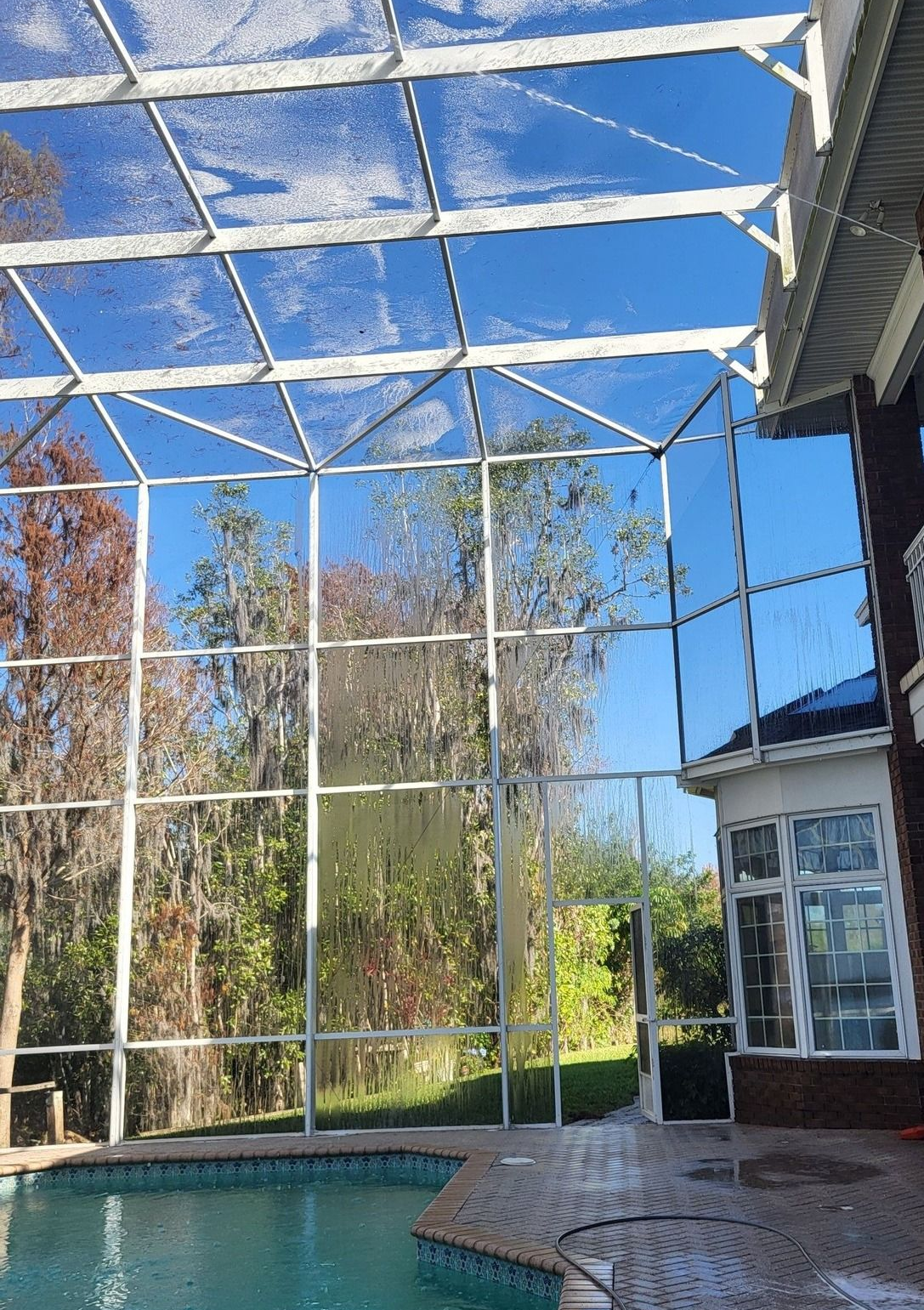
A clean pool cage is about more than looks, though the difference in appearance is usually dramatic. Dirty, clogged mesh blocks light and airflow. When the film is gone, the screen opens up again, the view out to the yard becomes clearer, and the lanai feels brighter and fresher.
Cleaner screens also tend to stay cleaner longer. Without the layer of grime to feed on, new growth has a harder time starting, and the screens stay dry more easily after rain. Less buildup also means less pollen and debris washing down onto your pool deck and into the water every time it rains.
The frame benefits too. Moisture and organic buildup sitting against aluminum for months can leave staining and dull the finish. Regular cleaning keeps the frame looking sharp and helps you notice any trouble early, such as loose fasteners or worn spline, while it is still a small fix.
Real estate professionals broadly agree that neutral exterior and interior palettes generate the widest buyer appeal. Neutrals do not alienate buyers who cannot visualize past a bold personal choice, and they photograph well in listing images, which is where most buyer decisions begin.
Popular exterior palettes for 2024 and 2025 have leaned toward warm whites with contrasting dark trim, soft sage greens paired with warm wood accents, and gray-blue tones with crisp white detailing. These combinations feel current without being trend-dependent, which means they will not feel dated within a year.
Neutral Palettes That Sell
When Unique Colors Work in Your Favor
In neighborhoods where homes tend to look similar, a thoughtfully distinct color can make a property stand out in listing searches and in person. The key is contrast within context. A home that reads as intentional and well-maintained in a color that differs from its neighbors gains attention without appearing out of place.
Consulting a color expert or using digital rendering tools to preview color combinations before committing eliminates the guesswork and reduces the risk of a choice that narrows rather than expands buyer interest.
Keeping the Corners From Going Black Again
You cannot stop Florida humidity, but you can make the screen a less welcoming place to grow.
Brush or rinse loose pollen and debris from the bottom rails and corners during heavy pollen weeks. Trim back branches that drop leaves, tassels, and sap onto the cage and block sun from reaching the panels. Check that sprinklers are not spraying the screen directly, because repeated overspray keeps the lower panels wet and often leaves mineral spotting as well. And schedule a professional cleaning on a regular basis, rather than waiting until the corners are fully black, since growth is easier to clear when it is still light.
Homes under heavy tree cover, or with a cage that sits close to a pond or irrigation, tend to need cleaning more often than an open, sunny enclosure. Watching how quickly the corners darken tells you what pace your own property needs.
Real estate professionals broadly agree that neutral exterior and interior palettes generate the widest buyer appeal. Neutrals do not alienate buyers who cannot visualize past a bold personal choice, and they photograph well in listing images, which is where most buyer decisions begin.
Popular exterior palettes for 2024 and 2025 have leaned toward warm whites with contrasting dark trim, soft sage greens paired with warm wood accents, and gray-blue tones with crisp white detailing. These combinations feel current without being trend-dependent, which means they will not feel dated within a year.
Neutral Palettes That Sell
When Unique Colors Work in Your Favor
In neighborhoods where homes tend to look similar, a thoughtfully distinct color can make a property stand out in listing searches and in person. The key is contrast within context. A home that reads as intentional and well-maintained in a color that differs from its neighbors gains attention without appearing out of place.
Consulting a color expert or using digital rendering tools to preview color combinations before committing eliminates the guesswork and reduces the risk of a choice that narrows rather than expands buyer interest.
Frequently Asked Questions
Is the black stuff on my pool cage dangerous?
Mold and algae can bother people with allergies or breathing sensitivities, especially when spores are disturbed during cleaning. Most of the concern is about avoiding heavy exposure and handling the work safely, which is one more reason to let a trained crew handle a heavily affected cage.
Can I just use a hose and a brush?
For light dust and pollen, a gentle rinse and a soft brush help. For established black growth in the corners and seams, a hose and brush usually remove only the surface layer. The roots remain, and the growth tends to return quickly.
Will soft washing damage my screens?
Soft washing is designed to avoid that. It uses low pressure water and a cleaning solution rather than force, so the mesh, spline, and frame are treated gently. Screens that were already worn or torn may show their weak spots once the grime is gone, which is useful information to have.
How often should a pool cage be cleaned?
It depends on shade, trees, sprinklers, and how humid the season has been. Many Florida homeowners find that a regular schedule, often once or twice a year, keeps the growth light. Cages under trees may need attention more often.
Why do the bottom panels get worse than the top?
Water splashes up from the deck, sprinklers hit the lower panels, and the bottom rails stay damp the longest. Debris also settles there. Those conditions give mold and algae a head start compared with the more open upper panels.
Does cleaning the screens help the pool stay clean?
It can. A buildup of pollen and organic debris on the screens washes down into the pool and onto the deck with every rain. Cleaner screens shed less of that material, which means less for your skimmer and filter to handle.
Real estate professionals broadly agree that neutral exterior and interior palettes generate the widest buyer appeal. Neutrals do not alienate buyers who cannot visualize past a bold personal choice, and they photograph well in listing images, which is where most buyer decisions begin.
Popular exterior palettes for 2024 and 2025 have leaned toward warm whites with contrasting dark trim, soft sage greens paired with warm wood accents, and gray-blue tones with crisp white detailing. These combinations feel current without being trend-dependent, which means they will not feel dated within a year.
Neutral Palettes That Sell
When Unique Colors Work in Your Favor
In neighborhoods where homes tend to look similar, a thoughtfully distinct color can make a property stand out in listing searches and in person. The key is contrast within context. A home that reads as intentional and well-maintained in a color that differs from its neighbors gains attention without appearing out of place.
Consulting a color expert or using digital rendering tools to preview color combinations before committing eliminates the guesswork and reduces the risk of a choice that narrows rather than expands buyer interest.
Treat the Growth, Not Just the Surface
Black corners on a pool cage are the visible sign of moisture, debris, and slow airflow doing what they do in Florida. The growth starts where the screen stays damp the longest, feeds on the pollen and dust that settle in the corners, and spreads outward panel by panel. A quick rinse lifts only the top layer, and a blast of pressure risks stretching or tearing the mesh without ever ending the cycle, which is why the shadow keeps coming back.
Soft washing treats the mold and algae at the root with low pressure and a cleaning solution, so the screen is cleaned without being punished. P&P Exterior Wash, LLC
has spent 15
years
cleaning screen enclosures
across Polk County, FL, where humidity and heavy pollen give growth a long head start. A lanai that stays bright and open is rarely luck. It comes from treating the growth itself, early, before another season of storms darkens the whole cage.